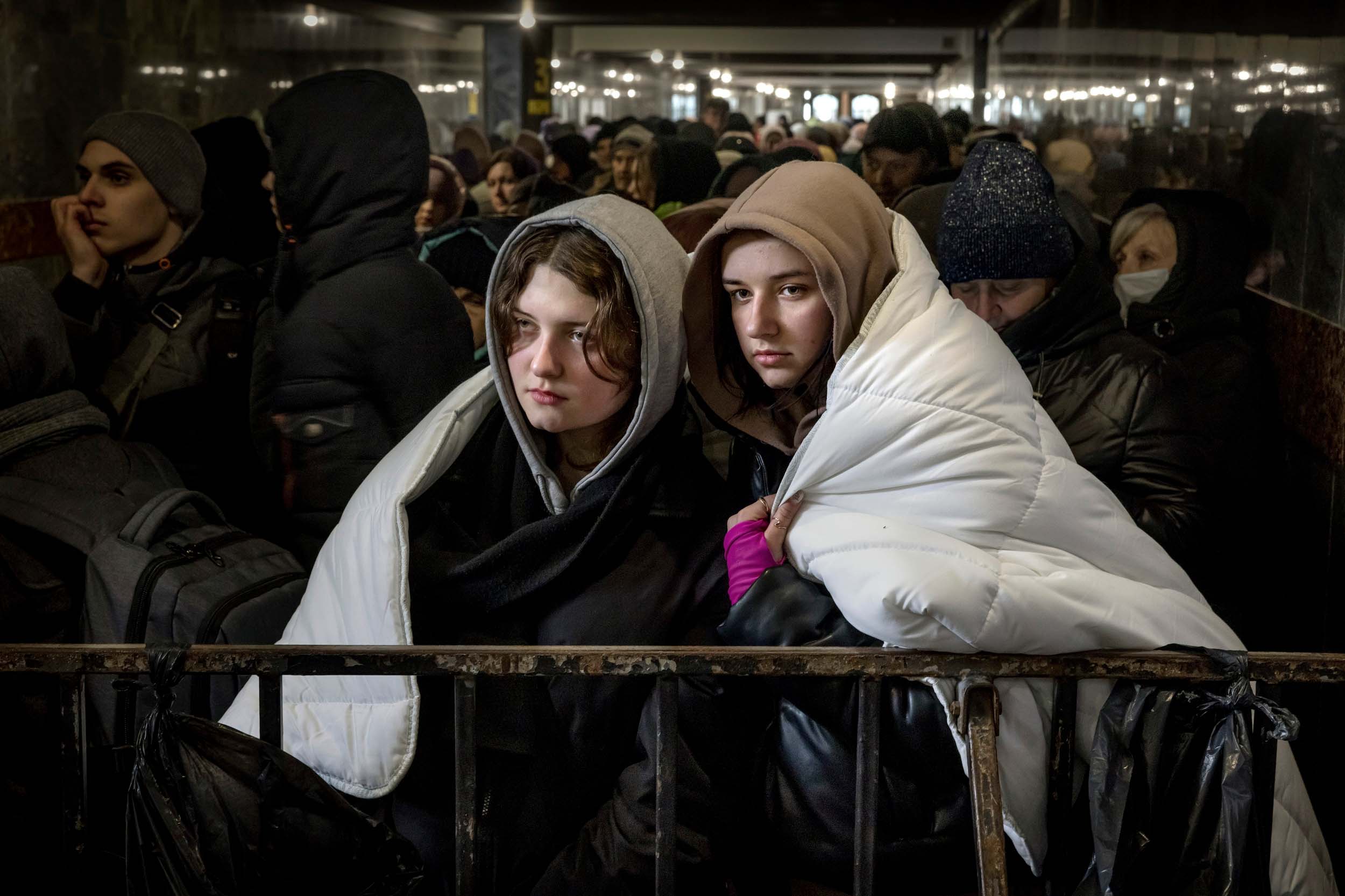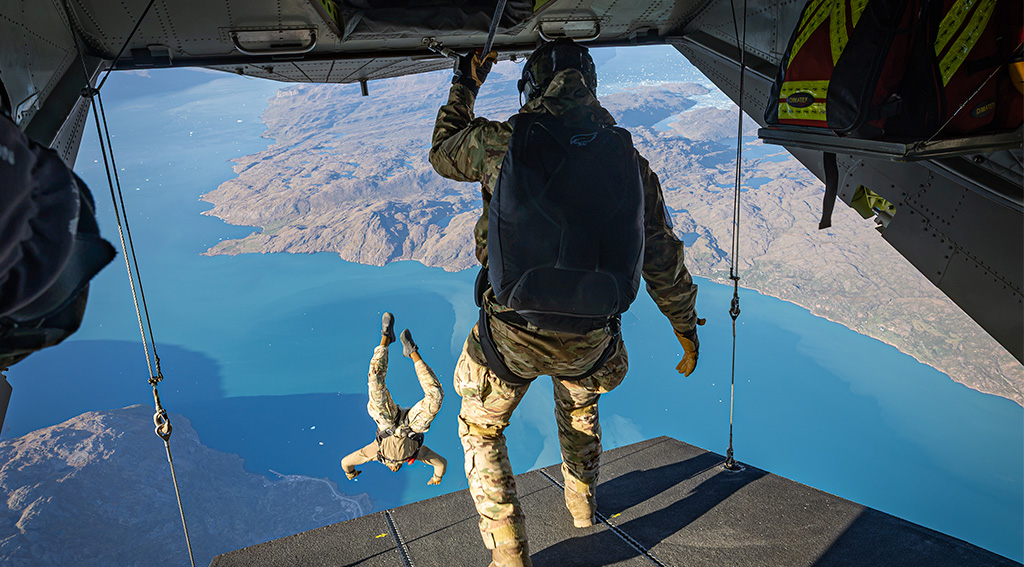
The security situation in the Nordic countries and Europe has changed fundamentally in recent years, and the new security landscape affects more than just the defence sector.
Issues relating to energy, critical infrastructure, cyber security, disinformation, climate change, economic resilience and civil preparedness have become central aspects of the modern concept of security.
Defence and security policy therefore affects an increasing number of areas of society and public debate.
These developments place new demands on the media and journalists. National security is increasingly being used as justification for restricting access to information. Nevertheless, extensive investments in defence and civil preparedness require critically scrutinised, even though security policy issues, hybrid threats and new security challenges are increasingly becoming part of everyday news coverage. To cover these issues, journalists need factual knowledge and an understanding of military, political and societal contexts.
Sweden and Finland are now members of NATO, meaning that all five Nordic countries are members of the Alliance’s collective security infrastructure. This has created new opportunities for deeper Nordic defence cooperation and closer integration of planning, training, military exercises and defence capabilities.
Within the framework of NORDEFCO, cooperation between the Nordic countries is developing rapidly. The ambition is to strengthen collective defence capabilities, improve military mobility and create better conditions for coordination in the event of a crisis or conflict. The vision for Nordic cooperation extends to 2030 and includes defence equipment, logistics, total defence and operational cooperation.
Course content
This introductory course on Nordic defence and security provides a broad introduction to defence, civil preparedness and security policy from a Nordic perspective.
You will gain knowledge about how Nordic armed forces are organised, and their duties and roles in national defence, including their relationship with NATO and international cooperation. The course also provides an introduction to total defence, civil preparedness, the defence industry, critical infrastructure, cyber security and the work of Nordic intelligence and security services.
The course includes study visits to relevant organisations within the defence and security sector. Among other places, we will visit military bases and relevant media organisations that cover defence issues.
The course addresses, among other things, the following questions:
• How far has Nordic defence cooperation progressed, and what opportunities and challenges lie ahead?
• How does NATO membership affect the Nordic countries’ defence planning and their role in security policy?
• How can journalists avoid uncritically relaying messages from the authorities and the armed forces?
• How can the media report on security policy, hybrid threats, cyber security threats and civil preparedness?
• How can citizens become involved in democratic debate on defence, security and preparedness?
The course is open to participants from across the Nordic region. In addition to gaining new knowledge, you will have the opportunity to build valuable Nordic networking contacts and exchange experiences with colleagues from different countries and media organisations.
This will contribute to a deeper understanding of both national and shared Nordic perspectives on defence and security issues.
The course will be conducted mainly in a mixture of Danish, Norwegian and Swedish, sometimes referred to as “Scandinavian” or “blandinavisk”. It is therefore necessary to have an adequate understanding of Danish, Swedish and/or Norwegian. However, we will ensure that speakers communicate clearly and, if necessary, in English.
We will hold a webinar before the course to give participants an opportunity to meet one another.
What you will gain from the course
• Basic knowledge of Nordic defence, military organisation and structures.
• Insight into civil preparedness and the defence industry in the Nordic countries.
• Use of OSINT and other research tools to critically scrutinise investments in defence.
• Knowledge of the defence debate in Nordic countries as well as contacts with Nordic experts in the field of defence.
• A valuable network of Nordic colleagues who also work with defence and security issues.
• Study visits to relevant units and facilities of the Danish Armed Forces in the Copenhagen area and the Swedish Armed Forces in southern Sweden.
Practical information
Price: DKK 28,000 including VAT.
The price includes:
• Single-occupancy hotel accommodation, including breakfast
• Transport in connection with study visits
• Lunch on all course days
The following are not included:
• Travel to and from Copenhagen
• Travel insurance
Financial support
Danish journalists may receive financial support from Pressens Uddannelsesfond (PU) if they work for one of the fund’s member organisations. The course is not included in the Mediernes Efteruddannelse spring catalogue, but you can apply for individual ME funding for the course. PU grants for continuing professional development are capped at a maximum of DKK 10,000.
Finnish journalists can apply for spring grants from the Jokes Foundation between 28 September and 30 October 2026. Finnish journalists can also apply for grants from KOURA during two application periods: 1–31 October 2026 and 1–31 March 2027. It is also possible to apply for a grant from Uuden Suomettaren säätiö until 31 March 2027.
Funding opportunities are also available for Norwegian and Swedish journalists. More information will follow.
Course leaders
Jakob Ellingsen is a journalist at the local newspaper Fosna-Folket in Ørland, Trøndelag, in central Norway. He has covered defence and security policy since 2017 and also holds key positions in the Norwegian Union of Journalists (Norsk Journalistlag).
Anna Pahle is the principal of Litorina folkhögskola in Karlskrona, which focuses on issues relating to democracy and psychological defence. She has a long career in journalism and media development, including working in Ukraine, and is active in the Swedish Home Guard.
What previous course participants say
“A fantastically well-organised and educational course. The impressive variety within the curriculum, the excellent lecturers and the extremely interesting excursions made this a thoroughly solid course.”
“Take the course. It will open your eyes, give you deeper insight and provide ideas for articles.”
“An excellent introduction to defence journalism that should almost be required training for Swedish journalists.”
“Engaging speakers and exciting visits to barracks and military facilities.”
“This course exceeded my expectations, and I would encourage everyone to apply for similar courses.”
Cancellation policy
If you cancel more than six weeks before the course begins, we will charge an administration fee of DKK 1,000. If you cancel less than six weeks before the course begins, we will charge the full course fee, regardless of the reason.
Private delegates – meaning that you, rather than your employer, are paying the course fee – have a 14-day right to cancel under the Danish Consumer Contracts Act, starting from the day you receive an email confirming your acceptance onto the course.
If Nordic Journalist Centre cancels the course, for whatever reason, you will of course receive a full refund of the course fee.
Questions about the course content
John Frølich, Head of Nordic Journalist Centre (NJC)
Mobile: +45 20 950 945
Email: jf2@dmjx.dk
Kristoffer Dahl Sørensen, Project Coordinator, NJC
Mobile: +45 21 75 55 96
Email: kds@dmjx.dk